Electrical Tips
What Is EVITP Certification? A Los Angeles Guide
Updated 4 min read
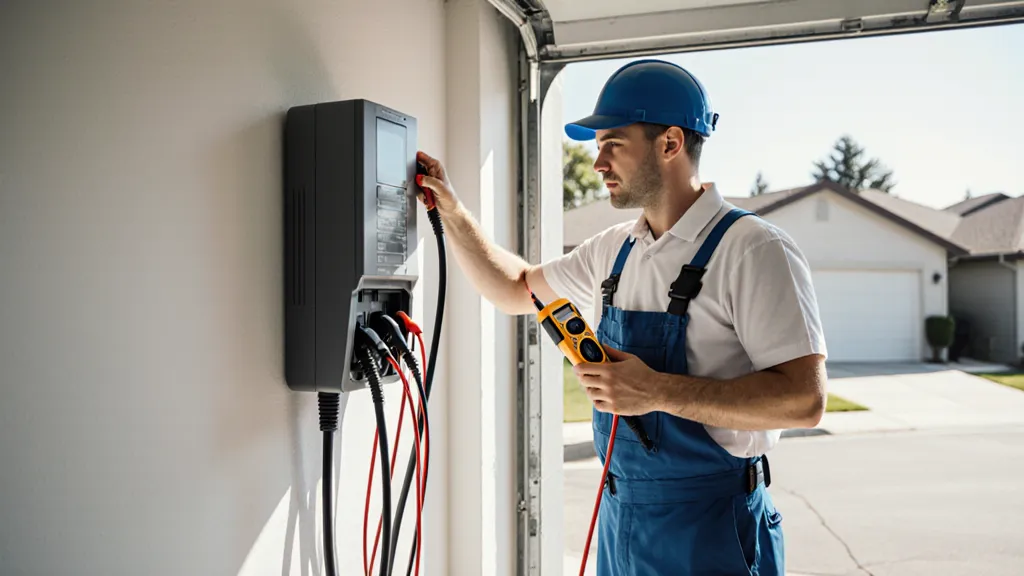
When you hire someone to install an EV charger, the label “EVITP-certified” gets used a lot — but few Los Angeles homeowners know what it actually means. Here is what EVITP certification involves, what the training covers, and why it protects your home, your warranty, and your rebate eligibility.
What EVITP Certification Actually Is
The Electric Vehicle Infrastructure Training Program (EVITP) is a national certification built specifically for electricians who install EV charging equipment. It was developed by a coalition of automakers, utilities, charging-equipment manufacturers, and the electrical industry to set one consistent safety and quality standard for residential and commercial charger installations. A general electrical license means someone is qualified to wire a home; an EVITP-certified electrician has completed dedicated training on the load calculations, equipment, and code that EV chargers specifically demand.
What the Training and Exam Cover
EVITP is an add-on specialization, not an entry-level course — candidates must already be licensed or apprenticed electricians before they enroll. The coursework and proctored exam cover:
- EV charging fundamentals — Level 1, Level 2, and DC fast-charging equipment and how each ties into a home's electrical system
- Load calculations & panel capacity — determining whether your existing service can handle a charger or needs an upgrade
- Code compliance — NEC Article 625 and local Los Angeles amendments governing EV supply equipment (EVSE)
- Safe installation practices — dedicated circuits, GFCI protection, conduit, and proper grounding
- Networked & smart chargers — commissioning Wi-Fi-connected units and load-management systems
You can read more about the program and verify certifications directly at evitp.org.
Why EVITP Certification Matters for LA Homeowners
Safety
An EV charger pulls high, continuous current for hours at a time — a very different load profile than a typical outlet. EV-specific training reduces the risk of overheated connections, undersized wiring, and nuisance breaker trips, which is why matching the charger to your panel matters. If your service is near capacity, a certified installer will flag the need for an electrical panel upgrade before installing.
Rebates and incentives
Many California utility, automaker, and government EV-charging incentive programs either require or strongly prefer an EVITP-certified installer. Using an uncertified electrician can put rebate eligibility at risk. Program rules and amounts change, so always verify current requirements before you buy.
Warranty and resale
Some charger manufacturers require a certified, permitted installation to honor their warranty. A properly documented, code-compliant install also holds up better during a future home sale or inspection.
EVITP-Certified vs. a General Electrician
- General electrician: licensed for broad residential and commercial work; may or may not have EV-specific training
- EVITP-certified electrician: holds an electrical license AND has completed EV-specific coursework and a proctored exam
- Bottom line: for a basic outlet a general electrician is fine, but for a 40–50 amp continuous EV load, EV-specific training meaningfully lowers your risk
How to Confirm Your Installer Is Certified
- Ask the installer for their EVITP certification and card
- Confirm the individual is certified — EVITP is issued to people, not just companies
- Cross-check the certification at evitp.org
- Verify the company's active California C-10 license on the CSLB website
- Watch for red flags: reluctance to share the number, no permit pulled, or no load calculation performed
A certified pro handling your EV charger installation should be happy to document all of this up front.
Frequently Asked Questions
Is EVITP certification required to install an EV charger in Los Angeles?
It is not legally required for every install, but it is strongly recommended and is sometimes required for rebates. What the city does require is a permit and a licensed C-10 electrical contractor. Verify current rules before your project.
How long does it take to earn EVITP certification?
It varies. Because candidates must already be licensed or apprenticed electricians, the program adds EV-specific coursework followed by a proctored exam rather than starting from scratch.
Does EVITP certification expire?
Certifications require periodic renewal and recertification to stay current with evolving equipment and code. Ask your installer to confirm their certification is active.
Will an EVITP-certified installer cost more?
Not necessarily — pricing depends on the scope of your install, wiring distance, and whether a panel upgrade is needed. The value is a correct, code-compliant install that protects your rebate and warranty. Prices and rebates vary and should be verified.
Can any electrician become EVITP-certified?
Only those who are already licensed or apprenticed electricians. EVITP is a specialization layered on top of an existing electrical credential, not an entry-level course.
911 Construction & Electric Inc. is a licensed, bonded, and insured C-10 electrical contractor (CA Lic. #1027421) with EVITP-certified electricians serving Los Angeles, Pasadena, Burbank, Glendale, Altadena, and nearby cities. For a free estimate on your EV charger installation, contact us today or call 747-255-8595.
Keep Reading
5 min read
Electrical Preventive Maintenance in Los Angeles
A loose lug or a scorched neutral rarely announces itself. It shows up as a breaker that trips on the hottest afternoon of the year, or a tenant calling at closing time about ha…
Read article →
6 min read
Electrical Panel Maintenance in Los Angeles: Checklist
Most homeowners service the furnace, flush the water heater and change the HVAC filter on a schedule. The electrical panel — the single component every circuit in the building d…
Read article →
6 min read
Home Battery Backup Installation in Los Angeles
A red-flag wind warning goes up, the power drops, and suddenly the most important appliance in the house is the refrigerator. That is usually the moment Los Angeles homeowners s…
Read article →Have an electrical project in mind?
Talk to a licensed electrician today — free estimates, 24/7 emergency service.