Electrical Tips
Whole House Generator Installation in Los Angeles (2026)
Updated 7 min read
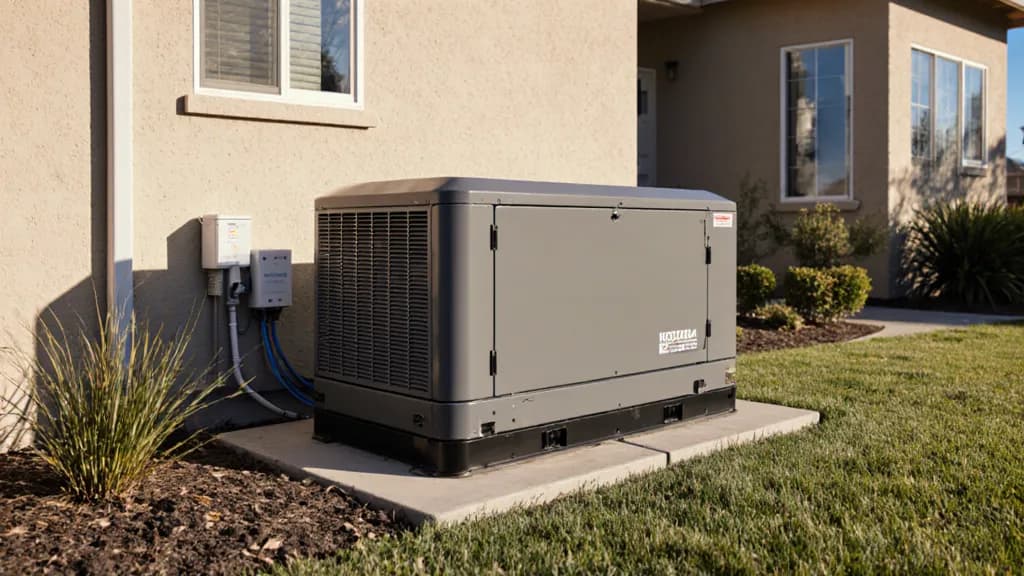
Power outages in Los Angeles are no longer a rare inconvenience. Between Public Safety Power Shutoffs (PSPS) during wildfire season, aging grid infrastructure, and record-breaking summer heat waves that strain the system, more homeowners across LA, Pasadena, Burbank, and the San Fernando Valley are looking for a permanent solution. For many, that solution is whole house generator installation — a standby system that automatically keeps the lights, refrigerator, AC, and medical equipment running when the grid goes down.
If you are weighing the cost, sizing, and permitting of a standby generator installation, this guide walks through everything a Los Angeles homeowner needs to know. As a C-10 licensed electrical contractor (Lic. #1027421), 911 Construction & Electric installs and wires home backup generators to code throughout the LA area.
Why Los Angeles Homeowners Are Installing Whole House Generators
A home backup generator delivers something a portable unit cannot: automatic, whole-property power without extension cords or manual setup. The most common reasons LA homeowners invest in one include:
- PSPS and wildfire-season shutoffs — Southern California Edison can cut power for days during high-fire-risk weather. A standby generator keeps your home running through the entire event.
- Heat waves and grid strain — Summer demand spikes can trigger rolling outages. Backup power protects your AC, which matters for seniors, infants, and anyone with health conditions.
- Food, medication, and medical devices — Refrigerators, freezers, CPAP machines, and home oxygen equipment all depend on uninterrupted electricity.
- Home offices and EV charging — Remote work and electric vehicles make a reliable power supply more essential than ever.
- Property value and peace of mind — A professionally installed standby system is a selling point and removes the stress of every outage.
How Whole House Generator Installation Works
A whole house generator is a permanently mounted unit that sits outside your home, similar to a central AC condenser. It connects to a fuel source (usually natural gas or propane) and to your electrical system through an automatic transfer switch. When the transfer switch detects an outage, it disconnects your home from the grid and starts the generator — typically within seconds — then switches back automatically once utility power returns.
Standby vs. Portable Generators
Portable generators are cheaper and movable, but they require manual setup, refueling, and unsafe extension-cord runs, and they only power a few circuits. A standby (whole house) generator is hardwired, starts automatically, runs on your home's gas line, and can power the entire house or selected critical circuits. For Los Angeles homeowners who want true hands-off backup, standby is the right category.
The Installation Process
- Load assessment — an electrician calculates how much power your home needs to size the unit correctly.
- Site and fuel planning — choosing a code-compliant location and confirming natural gas or propane supply.
- Permits — pulling electrical and mechanical permits with your local LA-area building department.
- Concrete pad and set — the generator is placed on a level pad with proper clearances.
- Electrical and transfer switch wiring — connecting the automatic transfer switch to your panel, which sometimes requires a panel upgrade.
- Gas connection and inspection — the fuel line is connected and the system is inspected, tested, and commissioned.
What Does Whole House Generator Installation Cost in Los Angeles?
Total whole house generator installation cost depends on the size of the unit, the complexity of the electrical and gas connections, and whether your panel needs upgrading. Installed projects in the Los Angeles area generally fall into these ranges (prices vary and should always be verified with an on-site quote):
- Small standby unit (about 10–14 kW): $6,000–$11,000 installed — covers essential circuits such as refrigeration, lighting, and a furnace or one AC zone in a smaller home.
- Mid-size unit (about 16–22 kW): $10,000–$16,000 installed — the most popular range, powering most or all of a typical LA single-family home including central AC.
- Large unit (24 kW and up): $15,000–$25,000+ installed — for larger homes, multiple AC systems, pools, or EV charging loads.
- Panel upgrade (if required): $2,500–$4,500 added — older homes may need a service upgrade so the transfer switch and added loads are supported.
Note that the generator equipment itself is only part of the budget — labor, the transfer switch, gas-line work, the concrete pad, and permits all factor in. Always get a written, itemized estimate before committing.
Sizing Your Home Backup Generator
Choosing the right whole house generator size is the single most important decision in the project. Undersize it and the unit overloads; oversize it and you overspend on equipment and fuel. A proper load calculation considers:
- Central air conditioning — usually the single largest load in an LA home
- Electric appliances: range, oven, dryer, water heater
- Refrigerators, freezers, and any medical equipment
- EV charger demand if you charge a vehicle at home
- Lighting, outlets, networking, and home-office equipment
As a rough guide, many LA single-family homes are well served by a 16–22 kW unit, but the only reliable answer comes from a licensed electrician performing an actual load calculation for your home.
Permits, Codes, and Why You Need a Licensed Electrician
A whole house generator ties directly into your home's electrical service and gas supply, so it must be installed to California Electrical Code and inspected. In Los Angeles and surrounding cities, that means pulling permits and using a properly licensed contractor. Improper transfer-switch wiring is a serious hazard — it can backfeed the utility line and endanger line workers.
Because many generator projects also involve service-panel work, it helps to work with an electrician who handles the whole job. Learn more about our electrical panel upgrades in Los Angeles, and if your existing wiring shows problems, our electrical repair services can correct them before the generator goes in. When the power is already out and you need help fast, our 24/7 emergency electricians are available around the clock.
Maintenance and Lifespan
A well-maintained standby generator typically lasts 15–25 years or more. To protect that investment, plan for periodic oil and filter changes, an annual professional inspection, and the automatic self-test cycle most units run weekly. Keeping the unit serviced ensures it actually starts when you need it during the next Los Angeles outage.
Frequently Asked Questions
How much does a whole house generator cost in Los Angeles?
Installed, most Los Angeles homeowners spend between $6,000 and $25,000 for whole house generator installation, with the popular 16–22 kW range typically landing around $10,000–$16,000. If your electrical panel needs upgrading to support the transfer switch, add roughly $2,500–$4,500. Prices vary by home and should be confirmed with an on-site estimate.
What size generator do I need for my whole house?
It depends on your home's electrical loads, especially central air conditioning. Many LA single-family homes are covered by a 16–22 kW standby generator, while larger homes with multiple AC systems, a pool, or EV charging may need 24 kW or more. A licensed electrician performs a load calculation to size it precisely.
How long can a whole house generator run continuously?
A natural-gas standby generator connected to your utility gas line can run for days or even weeks, limited mainly by maintenance and runtime intervals rather than fuel. Propane units are limited by tank size. Either way, a properly sized standby system is designed to power your home through extended PSPS events and outages.
Do I need a permit to install a standby generator in Los Angeles?
Yes. Whole house generator installation requires electrical and mechanical permits and inspection in Los Angeles and surrounding cities because it ties into both your electrical service and gas supply. A licensed C-10 contractor will pull the permits and ensure the work passes inspection.
How does a whole house generator work?
The generator sits outside and connects to your gas supply and to an automatic transfer switch wired into your panel. When the switch senses a power outage, it isolates your home from the grid and starts the generator within seconds. When utility power returns, it shuts the generator down and reconnects automatically — no manual steps required.
Get a Free Whole House Generator Quote in Los Angeles
911 Construction & Electric is a licensed (C-10, Lic. #1027421), EVITP-certified electrical contractor serving Los Angeles, Pasadena, Burbank, Glendale, Altadena, and the San Fernando Valley. We handle generator wiring, transfer switches, and any panel upgrades your project needs — permitted and inspected. Call 747-255-8595 or request a free quote today to keep your home powered through the next outage.
Keep Reading
5 min read
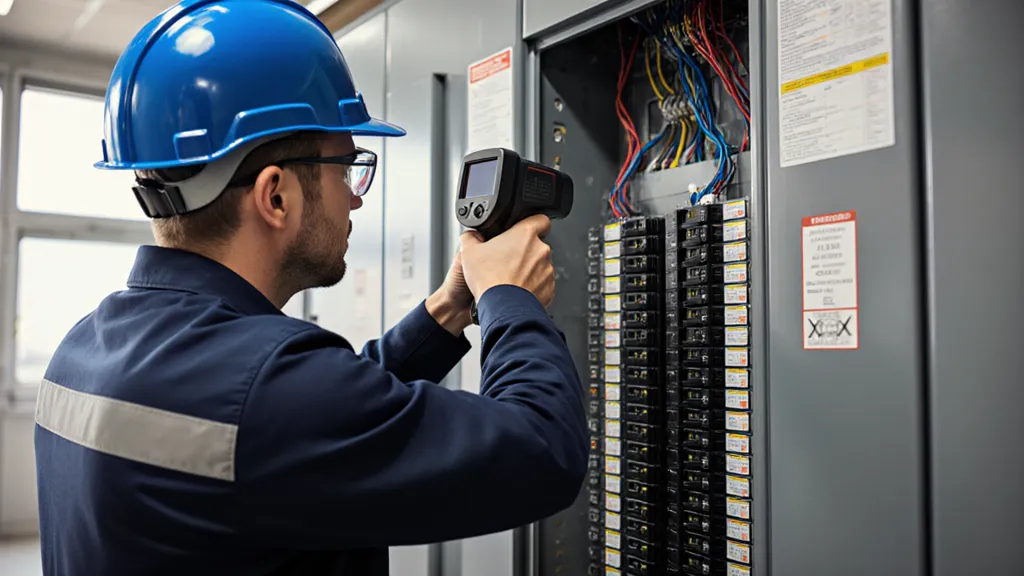
Electrical Preventive Maintenance in Los Angeles
A loose lug or a scorched neutral rarely announces itself. It shows up as a breaker that trips on the hottest afternoon of the year, or a tenant calling at closing time about ha…
Read article →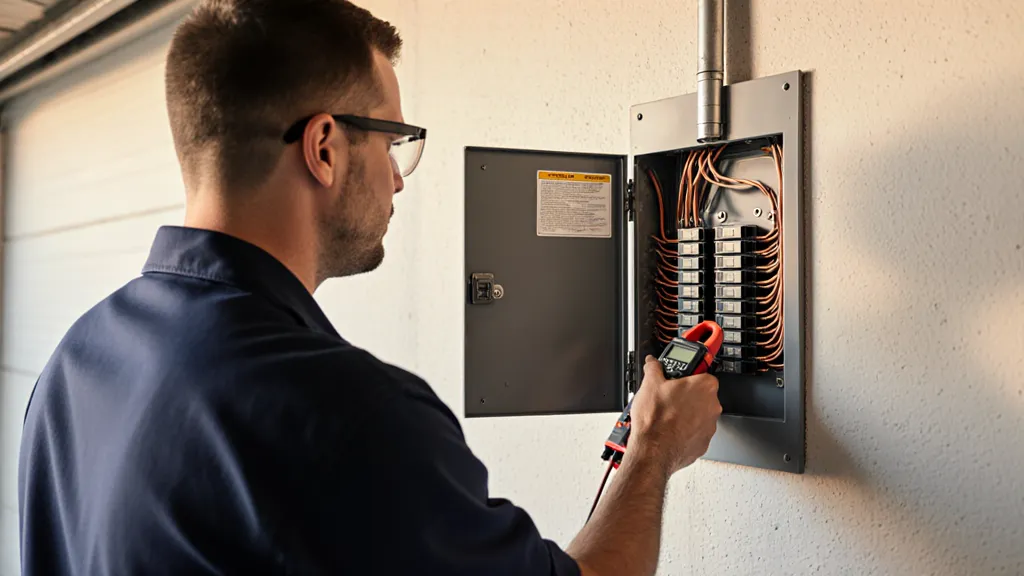
6 min read
Electrical Panel Maintenance in Los Angeles: Checklist
Most homeowners service the furnace, flush the water heater and change the HVAC filter on a schedule. The electrical panel — the single component every circuit in the building d…
Read article →
6 min read
Home Battery Backup Installation in Los Angeles
A red-flag wind warning goes up, the power drops, and suddenly the most important appliance in the house is the refrigerator. That is usually the moment Los Angeles homeowners s…
Read article →Have an electrical project in mind?
Talk to a licensed electrician today — free estimates, 24/7 emergency service.