Electrical Tips
Commercial Electrical Inspection Los Angeles: What to Expect
5 min read
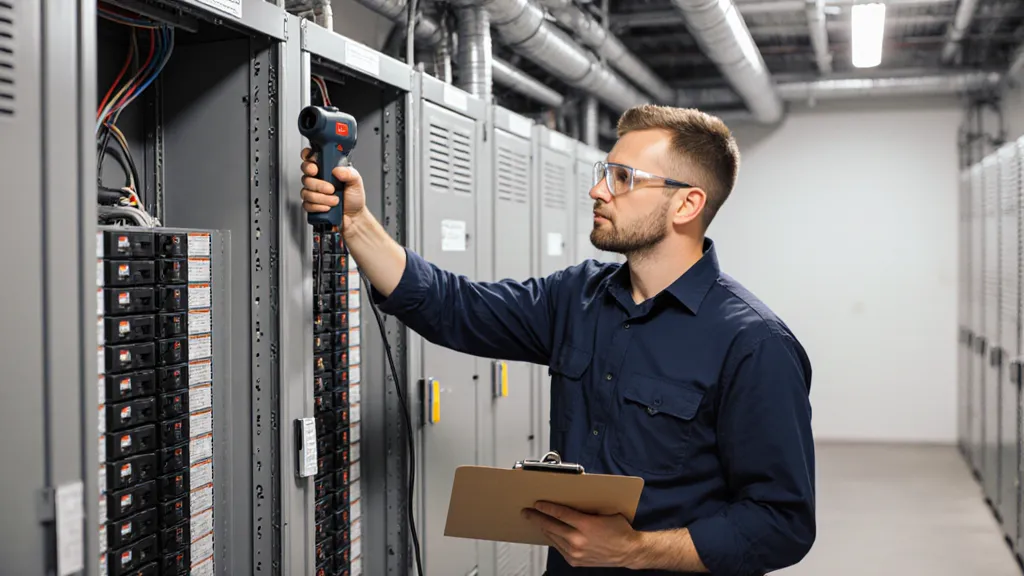
Most commercial electrical problems never announce themselves. A breaker that runs warm, a neutral slowly backing out of a lug, a subpanel that was fine until the last tenant added a walk-in cooler — these turn up as a commercial electrical inspection finding months before they turn up as a Monday-morning outage. Here is what an inspection actually covers for Los Angeles businesses, what it costs, and when it earns its keep.
What a Commercial Electrical Inspection Covers
A commercial electrical system inspection is a documented review of everything between the utility service point and the last receptacle. It is not the same thing as a city permit inspection. A permit inspection checks one defined scope of work against code on the day it was installed; a voluntary inspection looks at the condition, safety and remaining capacity of the whole system — including equipment that passed code when it went in and has since become obsolete, overloaded, or simply worn out.
The deliverable matters as much as the walkthrough. A useful inspection ends with a written report: what was found, which items are safety issues versus deferred maintenance, and what it will take to correct each one.
When Los Angeles Businesses Schedule One
- Before signing a lease or starting a tenant-improvement build-out, so the existing service is not a surprise mid-project
- When an insurance carrier, lender, or franchisor asks for documentation of electrical condition
- Buying or selling a commercial property, as part of due diligence
- After nuisance tripping, flickering, or a partial outage — symptoms that usually mean something needs troubleshooting rather than another reset
- Before adding meaningful load: commercial kitchen equipment, new rooftop HVAC, or EV charging stations for staff and customers
- As scheduled preventive maintenance on any building more than a few decades old
The Commercial Electrical Inspection Checklist
A thorough electrical inspection checklist for a commercial building works through:
- Service entrance, meter, and main disconnect — condition, rating, and whether the service still matches real measured demand
- Panelboards and breakers — double-tapped conductors, mismatched or discontinued breakers, corrosion, correct overcurrent protection
- Infrared thermal scanning of connections under load, which finds loose or failing terminations while they are still cheap to fix
- Grounding and bonding, routinely the most neglected system in an older building
- Branch circuits and receptacles, including GFCI protection in kitchens, restrooms, and exterior areas
- Emergency and exit lighting, plus the condition and efficiency of general lighting
- Circuit directories and NEC working clearance — a panel blocked by stored inventory is among the most common violations written
- Spare capacity and a load calculation if new equipment is planned
What It Costs and How Long It Takes
For a single retail suite or small office, a commercial inspection typically runs a few hundred dollars and takes a couple of hours. Multi-tenant buildings, restaurants, and light-industrial spaces with several subpanels and three-phase service run higher and can take most of a day. The variables are square footage, the number of panels, whether infrared scanning is included, and whether the work has to happen after hours to avoid disrupting operations. Pricing varies by building and by scope, so ask for a written scope and a firm number before anyone starts.
What We Find Most Often
- Double-tapped breakers and undersized conductors left behind by previous tenant work
- Obsolete Zinsco or Federal Pacific panels still carrying the building
- Panels with zero spare capacity, which quietly blocks the equipment the owner actually wants to add until an electrical panel upgrade is done first
- Missing, illegible, or simply wrong circuit directories
- Aluminum feeders with untreated or unlisted terminations
- Stored product stacked in front of a panel, eliminating required working clearance
Almost all of it is inexpensive to correct when it is found on a report, and expensive when it is found during an unplanned shutdown.
Utility and Permit Coordination Around Los Angeles
When an inspection turns up a service that is simply too small, the fix involves more than an electrician. Most of the communities we serve — Los Angeles, Altadena, Arcadia, Alhambra, Monterey Park, El Monte, Montebello and the rest of the San Gabriel Valley — are Southern California Edison (SCE) territory, so a service upgrade means running SCE's service planning process in parallel with your city building department's permit and inspection. Three cities close by run their own municipal utilities instead: Pasadena Water & Power (PWP), Glendale Water & Power (GWP), and Burbank Water and Power (BWP). Their applications, timelines and rebate programs are separate from SCE's, so confirm current terms with whichever utility actually serves the address. Either way, utility lead time — not the electrical work — is usually the long pole, which is why inspecting before you commit to a build-out schedule pays off.
Frequently Asked Questions
How often should commercial electrical systems be inspected?
A general guideline is every three to five years for a well-maintained modern building, and every one to two years for older buildings, restaurants, industrial spaces, or any property with heavy equipment cycling. Annual infrared scanning is common for facilities where an outage is costly.
How much does a commercial electrical inspection cost?
It scales with building size and panel count rather than a flat rate — a small suite is a few hundred dollars, a multi-panel building considerably more. Get the scope in writing, including whether a written report and thermal imaging are included.
Do I need an inspection before a tenant improvement?
It is not legally required, but it is the cheapest insurance in the project. Finding out during framing that the service will not support your equipment schedule is how TI budgets and timelines get wrecked.
Will the inspection shut down my business?
Most of an inspection is visual and thermal and happens with the power on. Some testing requires brief outages at specific panels, which we schedule around your hours — often early morning, after close, or on a weekend.
Does an inspection satisfy my insurance carrier?
Usually, provided the report is issued by a licensed contractor and documents the specific items the carrier asked about. Send us the carrier's request ahead of time so the scope matches what they need the first time.
Schedule an Inspection Before the Outage Schedules It for You
911 Construction & Electric Inc. is a licensed, bonded and insured C-10 electrical contractor (CA Lic. #1027421) serving Los Angeles, Pasadena, Burbank, Glendale, Altadena, the San Fernando Valley and the San Gabriel Valley. We handle commercial inspections, panel and service upgrades, tenant improvements, and 24/7 emergency service when something cannot wait. Request a free estimate or call 747-255-8595.
Keep Reading
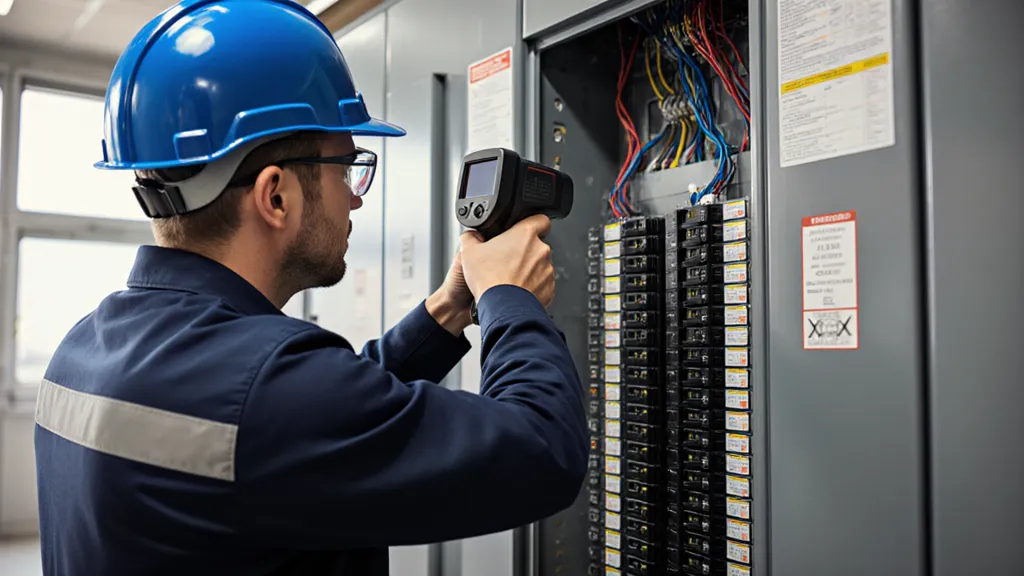
5 min read
Electrical Preventive Maintenance in Los Angeles
A loose lug or a scorched neutral rarely announces itself. It shows up as a breaker that trips on the hottest afternoon of the year, or a tenant calling at closing time about ha…
Read article →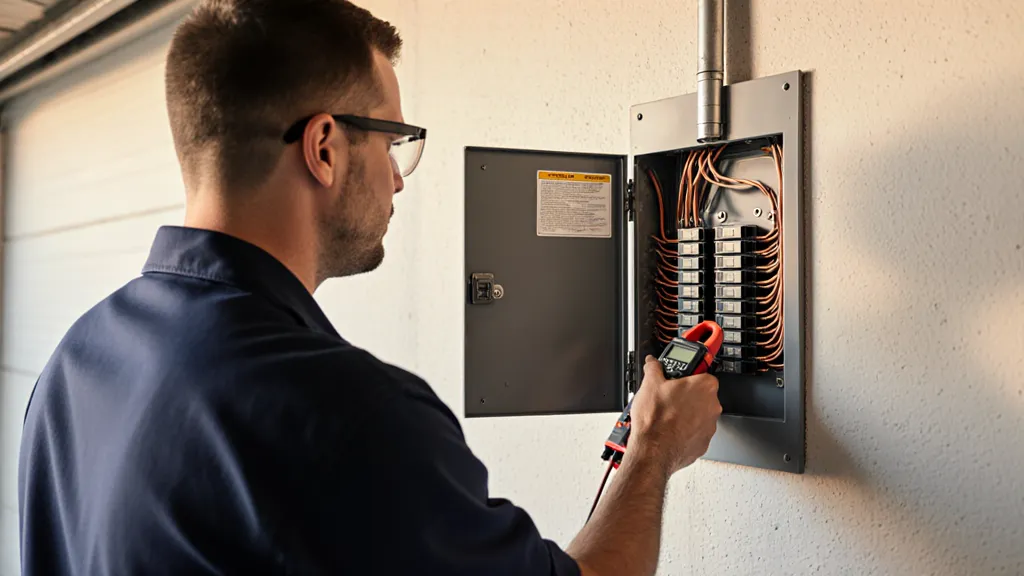
6 min read
Electrical Panel Maintenance in Los Angeles: Checklist
Most homeowners service the furnace, flush the water heater and change the HVAC filter on a schedule. The electrical panel — the single component every circuit in the building d…
Read article →
6 min read
Home Battery Backup Installation in Los Angeles
A red-flag wind warning goes up, the power drops, and suddenly the most important appliance in the house is the refrigerator. That is usually the moment Los Angeles homeowners s…
Read article →Have an electrical project in mind?
Talk to a licensed electrician today — free estimates, 24/7 emergency service.