Electrical Tips
EV Charger Repair in Los Angeles: Costs & Fixes
5 min read
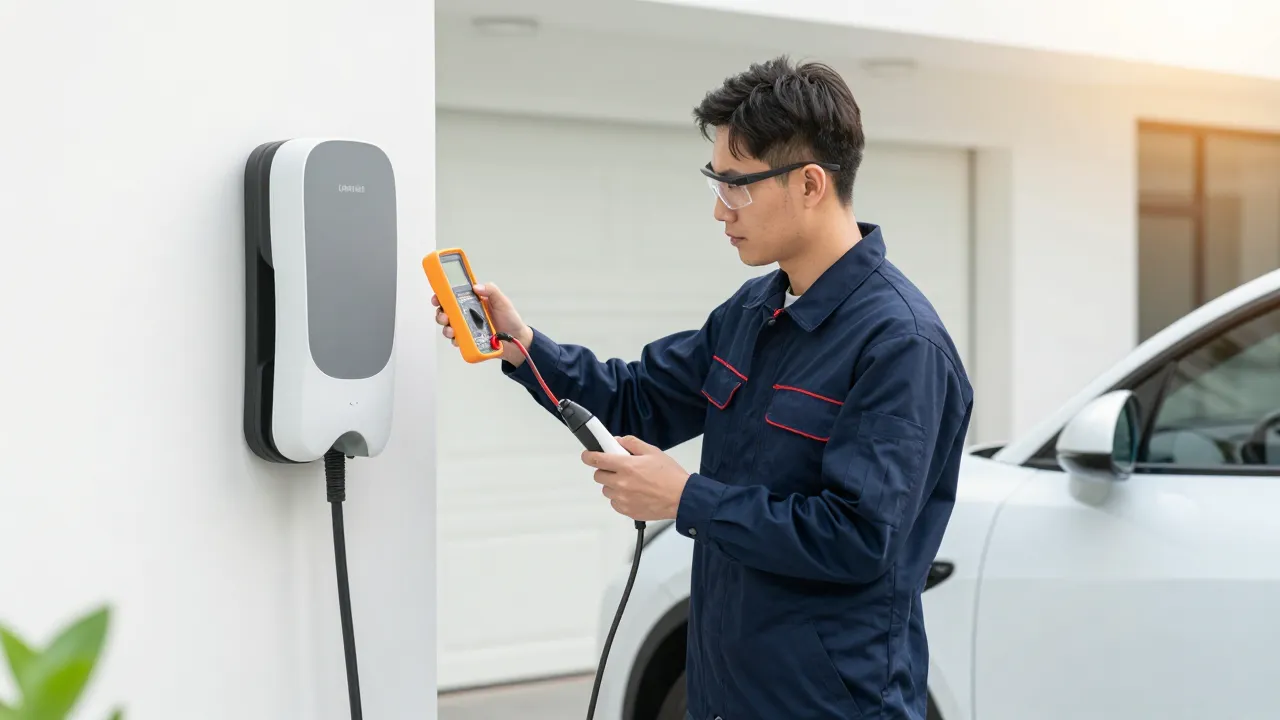
A Level 2 charger that worked flawlessly for three years can go dark overnight — an amber fault light, a session that never starts, or a unit that trips the breaker every time the car plugs in. Most of the time the charger itself is fine and the problem sits in the circuit, the connector, or the panel behind it.
Why Home EV Chargers Fail in Los Angeles
Charging equipment lives a hard life here. A unit on a west-facing garage wall in the Valley sees triple-digit surface temperatures in summer, and after a few years that shows up as heat-damaged terminations and cracked cable jackets. The most common causes we find on EV charger repair calls in Los Angeles:
- Loose or heat-damaged terminations at the charger's line terminals or in the breaker — the single most common cause of intermittent charging and burnt-smelling enclosures.
- A failing or undersized breaker on the 240-volt circuit, often one cycled thousands of times.
- Damaged connectors or cables — pins pitted from arcing, or a cord run over by a tire.
- Moisture intrusion in outdoor units where the conduit was never sealed or the gasket has hardened.
- Ground faults and GFCI/CCID trips from a wet vehicle inlet or a compromised cable.
- Wi-Fi and firmware issues that look like hardware failure but are really a connectivity or software problem.
What to Check Before You Call an Electrician
A few minutes of triage tells you whether this is a reset or a service call. Stop immediately if you see scorching, smell burning plastic, or feel heat at the outlet or panel — shut the breaker off and call a licensed electrician.
- Try a different vehicle or a different charger. If a second EV charges normally, the fault is in the car's onboard charger or inlet, not the wall unit.
- Cycle the breaker fully off, wait 30 seconds, then back on. Many chargers latch a fault and need a hard reset.
- Read the fault code. Apps and blink codes separate a ground fault from an overtemperature or communication error.
- Inspect the plug and pins on a NEMA 14-50 installation. Melted or discolored contacts mean the receptacle must be replaced — and hardwiring is usually the better fix.
- Check whether other 240-volt loads still work, which separates a charger fault from a panel issue.
Repairs an Electrician Handles vs. Warranty Replacement
Everything from the panel to the charger's terminals is electrical work; everything inside the sealed unit belongs to the manufacturer. An electrician repairs the breaker, conductors, receptacle or hardwired whip, disconnect, bonding, and the enclosure penetration. The manufacturer covers internal boards, contactors, firmware, and on most models the attached cable — and most residential chargers carry a three- to five-year warranty, so check your install date first. Out of warranty with a confirmed internal fault, replacement almost always beats a board-level repair. Our EV charger installation team in Los Angeles handles both the diagnosis and the replacement install.
What EV Charger Repair Costs in Los Angeles
Prices vary with access, circuit length, and what the diagnosis turns up, so treat these as realistic ranges rather than quotes — always confirm with a written estimate:
- Diagnostic service call: roughly $125–$250, often credited toward the repair.
- Breaker replacement on the charger circuit: about $200–$450 depending on panel type and breaker availability.
- Replacing a burnt NEMA 14-50 receptacle, or converting to hardwired: roughly $250–$600.
- Repairing a damaged section of the 240-volt circuit: $300–$900+, driven mostly by run length.
- Swapping in a new charger on an existing, healthy circuit: typically $300–$650 in labor plus the unit.
If the diagnosis points back to the panel — a full busbar, a 100-amp service at capacity, or a legacy panel that no longer accepts breakers — an electrical panel upgrade is the real fix, and it usually clears the flickering and nuisance tripping too.
Maintenance That Prevents the Next Failure
EV charger maintenance is simple and mostly annual: have the terminations re-torqued to spec at the charger and breaker, inspect the cable and pins for pitting or cracking, confirm the enclosure and conduit are sealed, and keep firmware current. Store the handle in its holster rather than on the garage floor. On a hardwired unit installed by an EVITP-certified electrician, that is usually all it takes to get a decade of service.
Frequently Asked Questions
Why is my EV charger not working after a power outage?
Many chargers latch a fault after a voltage sag and will not clear it on their own. Turn the breaker off for 30 seconds, restore it, and let the unit finish its self-test. If the fault returns immediately, the surge likely damaged the breaker or the charger's internals.
Can an electrician repair a Tesla Wall Connector or is it a warranty item?
An electrician repairs the circuit, breaker, and terminations feeding the Wall Connector, and can replace the unit. Internal faults and the attached cable fall under Tesla's warranty while the unit is still in term — check your install date first.
How much does an EV charger repair cost in Los Angeles?
Most repairs land between $200 and $700 including the diagnostic — breaker and receptacle work at the low end, re-running damaged conductors at the high end. Costs vary with panel type and access, so ask for a written estimate.
Why does my EV charger keep tripping the breaker?
Repeated tripping usually means a ground fault in the cable or vehicle inlet, a breaker weakened by years of cycling, or a circuit undersized for the charger's continuous load — a unit drawing 40 amps continuously needs a 50-amp circuit.
Is it worth repairing an older EV charger or should I replace it?
Out of warranty with an internal fault, replacement is the better value — newer chargers add load management and higher output. If the fault is in the circuit, repair is far cheaper and the existing charger keeps working.
Charging faults rarely fix themselves, and a hot termination is a fire risk worth taking seriously. 911 Construction & Electric Inc. is a licensed, bonded, and insured C-10 electrical contractor (CA Lic. #1027421) with EVITP-certified installers, serving Pasadena, Burbank, Glendale, Altadena, Eagle Rock, Arcadia, the San Fernando Valley, and greater Los Angeles. We diagnose the whole circuit, not just the box on the wall, and handle electrical repairs of every size. Call 747-255-8595 or request a free estimate today.
Keep Reading
5 min read
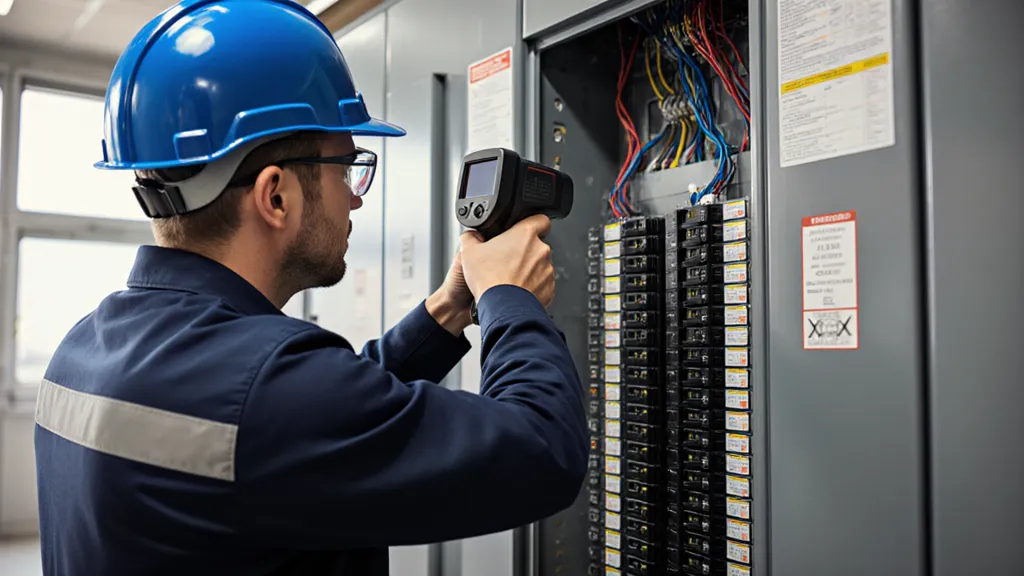
Electrical Preventive Maintenance in Los Angeles
A loose lug or a scorched neutral rarely announces itself. It shows up as a breaker that trips on the hottest afternoon of the year, or a tenant calling at closing time about ha…
Read article →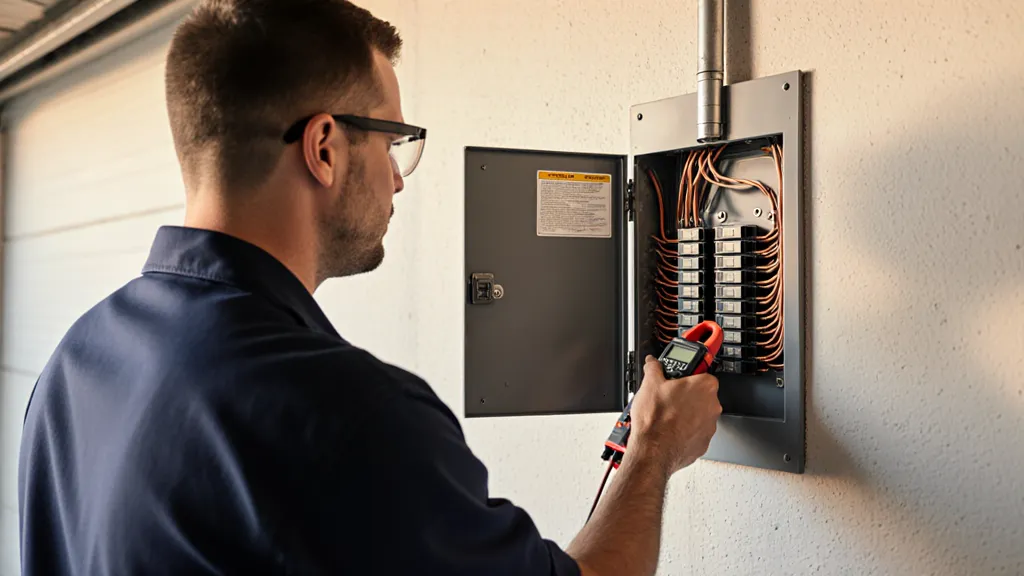
6 min read
Electrical Panel Maintenance in Los Angeles: Checklist
Most homeowners service the furnace, flush the water heater and change the HVAC filter on a schedule. The electrical panel — the single component every circuit in the building d…
Read article →
6 min read
Home Battery Backup Installation in Los Angeles
A red-flag wind warning goes up, the power drops, and suddenly the most important appliance in the house is the refrigerator. That is usually the moment Los Angeles homeowners s…
Read article →Have an electrical project in mind?
Talk to a licensed electrician today — free estimates, 24/7 emergency service.