Electrical Tips
Generator Transfer Switch Installation in Los Angeles
Updated 5 min read
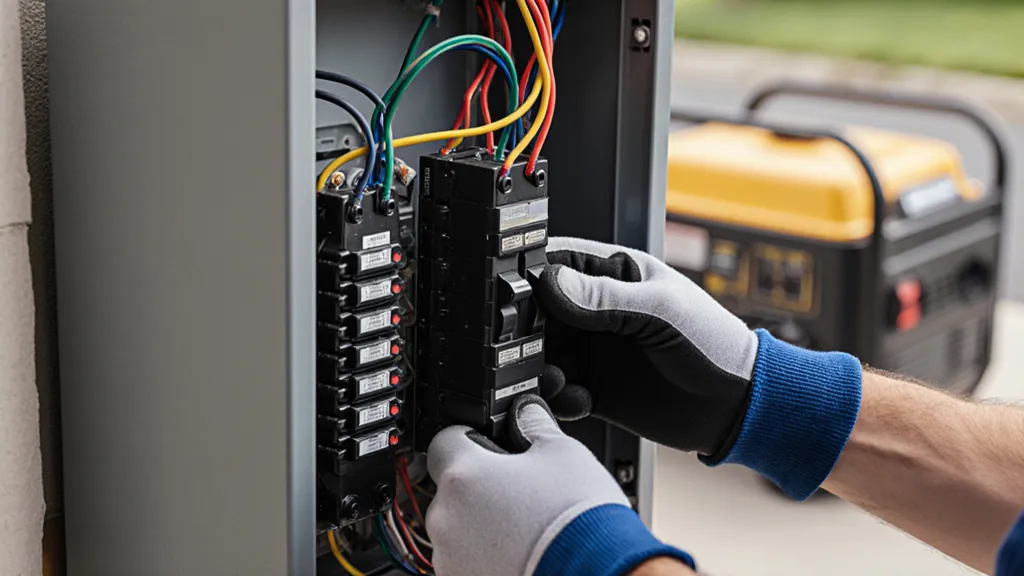
When the power drops in Los Angeles — a summer heat wave straining the grid, a PSPS public-safety shutoff, or a downed line after a windstorm — a backup generator is only as good as the switch that connects it to your home. That connection is the generator transfer switch, and installing it correctly is what keeps your family, your appliances, and utility line crews safe.
What Is a Generator Transfer Switch?
A transfer switch is a device wired into or beside your electrical panel that safely moves your home's circuits from utility power to generator power. Its most important job is to isolate your house from the grid so generator electricity can never flow back onto the utility lines. There are three common approaches homeowners choose from:
- Manual transfer switch — you flip it by hand when the power drops. It's the most affordable dedicated switch and a favorite among portable generator owners.
- Automatic transfer switch (ATS) — senses an outage and switches over on its own within seconds, usually paired with a standby or whole-house generator.
- Generator interlock kit — a code-approved sliding plate on your panel that makes it physically impossible to run the main breaker and generator breaker at the same time. It's a budget-friendly option when your panel supports it.
Why You Should Never Skip the Transfer Switch
Plugging a generator straight into a wall outlet — the so-called "suicide cord" — is illegal and genuinely dangerous. Skipping a proper transfer switch invites several serious problems:
- Backfeeding pushes live power back onto utility lines, which can electrocute the crews working to restore your neighborhood.
- Equipment damage — when utility power returns unexpectedly, it can destroy your generator and fry connected appliances.
- Code and insurance issues — unsafe connections violate the California Electrical Code and can void your homeowners insurance after a fire or claim.
A properly installed transfer switch eliminates every one of these risks and is required for any permitted whole-house generator installation in Los Angeles.
Manual vs. Automatic: Which Transfer Switch Do You Need?
The right choice comes down to your generator type, budget, and how hands-off you want backup power to be. If you already own a portable generator, a manual transfer switch or an interlock kit is usually the most cost-effective path. If you want power to restore automatically during frequent outages — without anyone home to flip a switch — an automatic transfer switch paired with a standby generator is worth the investment.
Either way, your electrician will check whether your existing panel has the capacity and open breaker space to support the switch. Older or overloaded panels sometimes need an electrical panel upgrade first so the backup system can be wired safely and to code.
Permits, Code, and Hiring a Licensed LA Electrician
In Los Angeles and surrounding cities, generator and transfer switch work requires an electrical permit and a final inspection. A licensed C-10 electrician load-calculates your home, sizes the switch, selects the right circuits to back up, and ensures proper grounding, bonding, and NEC/CEC compliance. Do-it-yourself installs frequently fail inspection over grounding and circuit-labeling mistakes — and a failed backup system tends to reveal itself at the worst possible moment, in the middle of an emergency outage.
What Does Transfer Switch Installation Cost in Los Angeles?
Prices vary with your panel, the number of circuits, and local permit fees, so treat these as realistic ranges rather than guaranteed quotes — always confirm with a written estimate:
- Interlock kit installation: roughly $300–$800, depending on your panel and breaker layout.
- Manual transfer switch (6–10 circuits): roughly $800–$2,000 installed.
- Automatic transfer switch (ATS): roughly $2,000–$4,000 or more, not including the standby generator itself.
Key cost factors include your panel's capacity and condition, how many circuits you want backed up, the distance between the generator and the panel, permit fees, and whether a panel upgrade is needed. Rebates and pricing change, so verify current numbers before you budget.
Frequently Asked Questions
Do I need a transfer switch for a portable generator?
Yes, if you want to safely power hardwired circuits like your furnace, well pump, or ceiling lights. Running extension cords avoids a switch but can only reach a few plug-in devices — it can't power anything hardwired into your home.
Can I install a generator transfer switch myself?
A manual switch or interlock is technically DIY-friendly, but Los Angeles requires a permit and inspection, and incorrect wiring or grounding is dangerous and can void your insurance. For safety and code compliance, a licensed electrician is strongly recommended.
How long does installation take?
Most manual switch or interlock installations take about 3–6 hours. An automatic transfer switch tied to a standby generator is usually a one- to two-day job, including permit inspection.
What size transfer switch do I need?
It depends on which circuits you want to keep running and your generator's wattage. An electrician performs a load calculation so the switch matches your generator and you never overload it during an outage.
Does a transfer switch work with solar or battery backup?
Standard transfer switches are designed for generators. Solar and battery systems use their own approved backup gateways, though some hybrid setups can integrate the two. Ask your electrician to design the right solution for your home.
911 Construction & Electric Inc. is a licensed, bonded, and insured C-10 electrical contractor (CA Lic. #1027421) serving Pasadena, Burbank, Glendale, the San Fernando Valley, and the greater Los Angeles area. Whether you need a manual transfer switch, an interlock kit, or a full automatic standby setup, our EVITP-certified team handles the permit, wiring, and inspection from start to finish. Call 747-255-8595 or request a free estimate today.
Keep Reading
5 min read
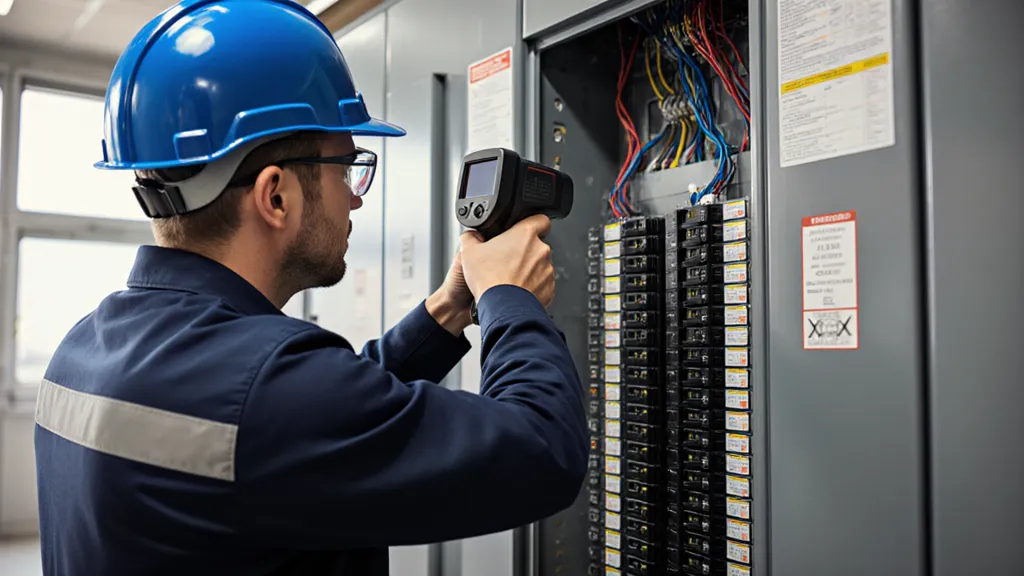
Electrical Preventive Maintenance in Los Angeles
A loose lug or a scorched neutral rarely announces itself. It shows up as a breaker that trips on the hottest afternoon of the year, or a tenant calling at closing time about ha…
Read article →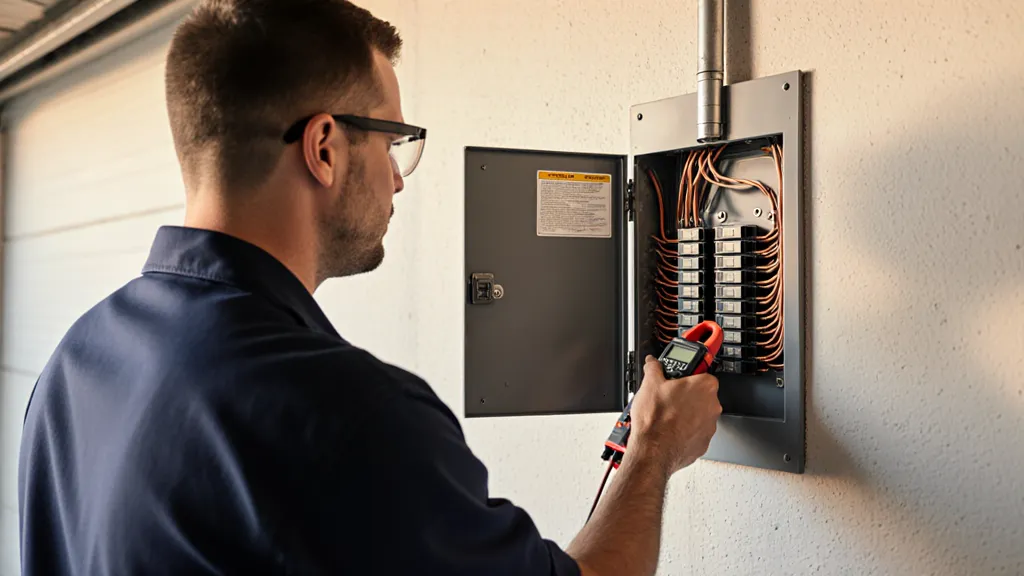
6 min read
Electrical Panel Maintenance in Los Angeles: Checklist
Most homeowners service the furnace, flush the water heater and change the HVAC filter on a schedule. The electrical panel — the single component every circuit in the building d…
Read article →
6 min read
Home Battery Backup Installation in Los Angeles
A red-flag wind warning goes up, the power drops, and suddenly the most important appliance in the house is the refrigerator. That is usually the moment Los Angeles homeowners s…
Read article →Have an electrical project in mind?
Talk to a licensed electrician today — free estimates, 24/7 emergency service.