Electrical Tips
Ground Rod Installation in Los Angeles: A Homeowner's Guide
6 min read
Ask ten homeowners where their house connects to earth and nine will not know. The grounding electrode system is the least visible part of a residential electrical service and one of the easiest to get wrong — especially in older Los Angeles homes, where the original ground path was a copper water pipe that may no longer exist.
What a Ground Rod Actually Does (and Doesn't Do)
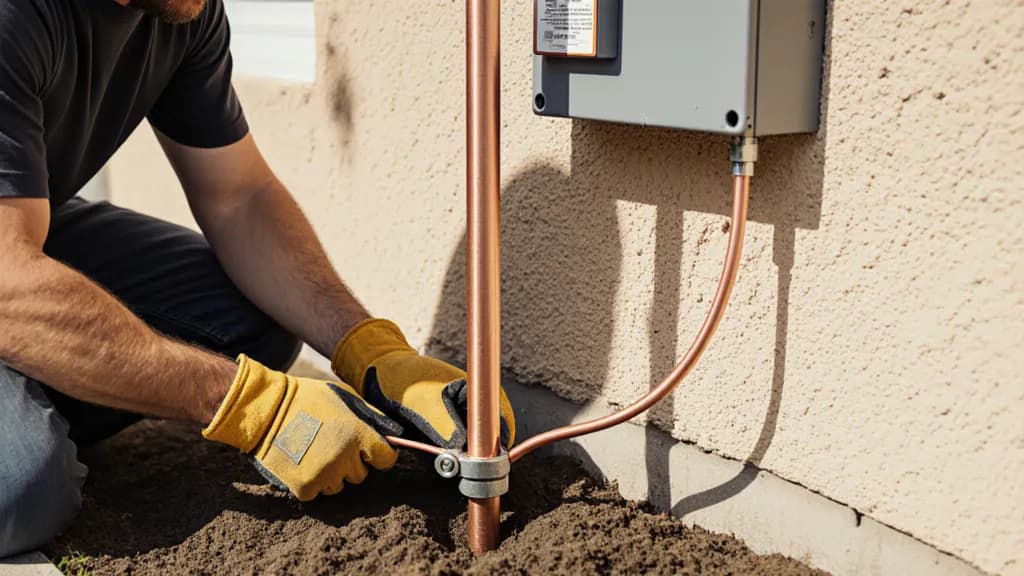
A ground rod is an eight-foot copper-clad steel electrode driven into the soil near your service equipment and tied back to the panel with a grounding electrode conductor. Its job is to hold your electrical system at earth potential and give high-energy events — lightning, a downed primary conductor, a utility fault — somewhere to go other than through your wiring.
Here is the part that surprises people: the ground rod does not trip your breaker when something faults. Earth is far too poor a conductor to carry enough current for that. Clearing a ground fault is the job of the equipment grounding conductor — the bare or green wire running back to the panel — and the neutral-to-ground bond at the service. A house can have a perfect ground rod and still be dangerously ungrounded at every outlet. The two systems get confused constantly, including by people selling you things.
Why This Fails So Often in Los Angeles Homes
Two local patterns account for most of the grounding problems we find:
- The water pipe that stopped being a ground. Homes built before the 1960s were commonly grounded to the metal underground water service and nothing else, which was code-compliant at the time. When that galvanized or copper service line gets replaced with PEX or plastic — a routine repipe in Highland Park, Eagle Rock, Alhambra, and most of the San Gabriel Valley — the grounding path silently disappears. The lights still work, so nobody notices.
- Soil that fights back. Foothill neighborhoods sit on decomposed granite, hardpan, and rocky fill. Dry, high-resistivity soil makes it harder for a single electrode to reach a low resistance to earth, and a rod that hits rock at four feet is not doing its job.
- Additions without electrodes. Detached garages, converted studios, and older backyard structures frequently got a subpanel with no grounding electrode of their own, which current code requires.
Most of our service area is on Southern California Edison, though Pasadena, Glendale, and Burbank run their own municipal utilities — Pasadena Water & Power, Glendale Water & Power, and Burbank Water and Power respectively. Grounding requirements come from the electrical code and your city's building department rather than the utility, but the permitting process differs from city to city.
How Many Rods, How Deep, and What the Code Says
The National Electrical Code, as adopted in California, requires a single rod electrode to be supplemented by a second electrode unless it is tested and shown to have a resistance to earth of 25 ohms or less. Because that test requires specialized equipment and rarely gets done on residential work, the practical standard is simple: drive two rods, at least six feet apart. It is faster than testing and it satisfies the requirement outright.
- Length: 8 feet minimum, driven the full depth, with the top flush with or below grade.
- Material: listed copper-clad steel, typically 5/8-inch diameter for residential work.
- Connection: a listed, direct-burial-rated clamp — not a hose clamp, not tape.
- Conductor: the grounding electrode conductor to a rod electrode is never required to be larger than #6 copper, regardless of service size.
- Bonding: where a metal water pipe is present it must still be bonded, along with the gas piping and any structural metal. Rods supplement those connections rather than replace them.
When Grounding Work Gets Triggered
Grounding rarely gets addressed on its own. It comes up as part of something else — and that is usually the cheapest time to handle it.
- An electrical panel upgrade or any service replacement, where the inspector will verify the grounding electrode system.
- A repipe that replaced the metal water service with plastic.
- EV charger installation, solar, or battery storage, where the equipment and inspection both expect a sound ground.
- A new subpanel feeding a detached garage, workshop, or ADU.
- Outlets that test as open ground, mild tingles from appliances, or a two-prong system — all of which point to an electrical repair assessment before anything else.
Cost depends almost entirely on whether we are already there. Added to a permitted panel job, supplemental rods and the grounding electrode conductor are typically a few hundred dollars. As a standalone visit — or when rock, hardscape, or a long conductor run is involved — it costs more. Treat those as ranges and get an actual quote; soil and access drive the number more than the parts do.
Frequently Asked Questions
How many ground rods does a house need?
Two, in nearly all residential cases. Code allows a single rod if it is tested at 25 ohms or less resistance to earth, but that testing is uncommon on homes, so driving a second rod at least six feet from the first is the standard approach.
How deep does a ground rod have to be?
The full eight feet, with the top at or below grade. If rock or hardpan stops the rod, code permits driving it at up to a 45-degree angle, or burying it horizontally in a trench at least 30 inches deep. What is not permitted is cutting the rod short.
Will a ground rod stop me from getting shocked?
Not by itself. Shock protection at the outlet comes from the equipment grounding conductor and from GFCI protection where required. The ground rod handles lightning and utility-side surges and stabilizes system voltage. Both are necessary; neither substitutes for the other.
My house is grounded to the water pipe — is that still acceptable?
A metal underground water pipe is still a recognized electrode and must be bonded, but current code requires it to be supplemented by an additional electrode. And if that pipe has been replaced with plastic anywhere between the panel and the street, it is no longer an electrode at all — worth checking if your home has been repiped.
Can I drive a ground rod myself?
Driving a rod is not the hard part. Sizing and routing the grounding electrode conductor, making a listed connection, bonding water and gas piping correctly, and getting it inspected are where DIY attempts fall down — and grounding work on a service generally requires a permit in California. A licensed C-10 contractor handles the whole electrode system as a unit rather than as one rod in the dirt.
Have Your Grounding Checked by a Licensed Electrician
911 Construction & Electric Inc. is a licensed, bonded, and insured C-10 electrical contractor (CA Lic. #1027421) serving Los Angeles, Pasadena, Burbank, Glendale, Altadena, Arcadia, and the San Gabriel Valley. We inspect and correct grounding electrode systems on their own or as part of a panel upgrade, and we will tell you plainly what your home needs. Request a free estimate or call 747-255-8595 — 24/7 emergency service available.
Keep Reading
5 min read
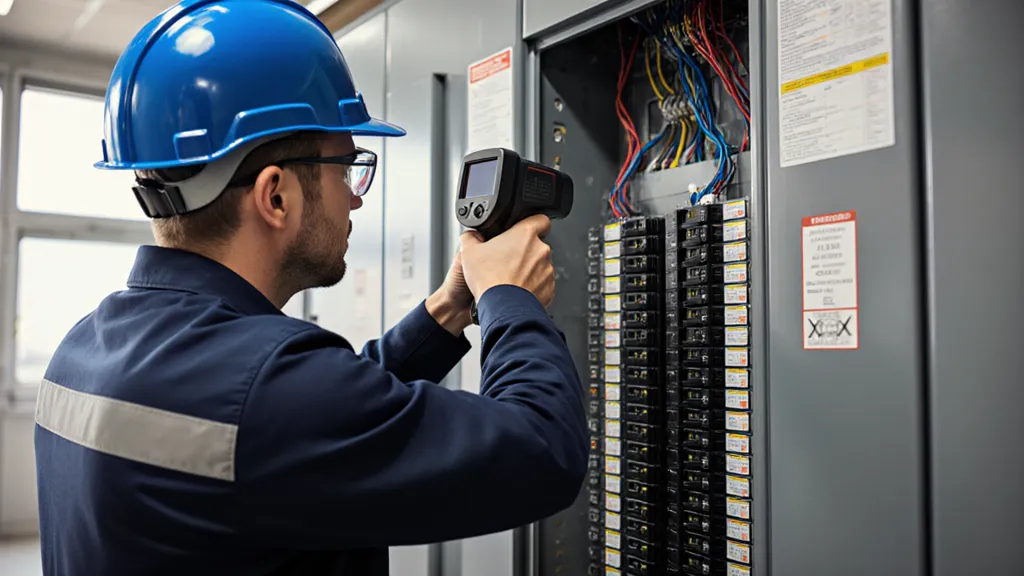
Electrical Preventive Maintenance in Los Angeles
A loose lug or a scorched neutral rarely announces itself. It shows up as a breaker that trips on the hottest afternoon of the year, or a tenant calling at closing time about ha…
Read article →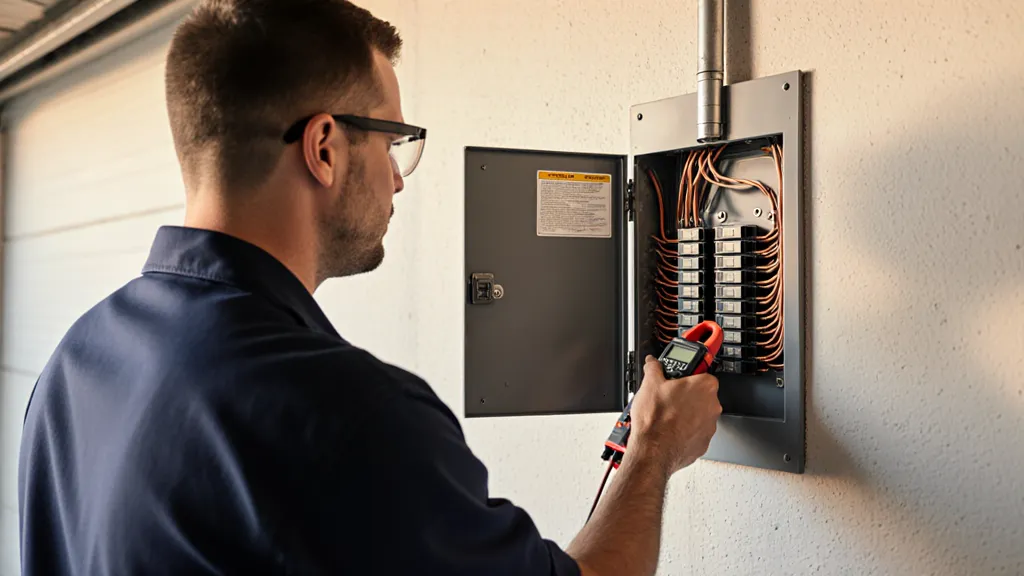
6 min read
Electrical Panel Maintenance in Los Angeles: Checklist
Most homeowners service the furnace, flush the water heater and change the HVAC filter on a schedule. The electrical panel — the single component every circuit in the building d…
Read article →
6 min read
Home Battery Backup Installation in Los Angeles
A red-flag wind warning goes up, the power drops, and suddenly the most important appliance in the house is the refrigerator. That is usually the moment Los Angeles homeowners s…
Read article →Have an electrical project in mind?
Talk to a licensed electrician today — free estimates, 24/7 emergency service.